Closer to 1984 than 2027: How age gating, digital IDs, and CBDCs are building the ultimate surveillance state
The year 2027 was supposed to be a milestone in technology, another step toward a decentralized, open digital future. Instead, in 2026, the reality feels closer to George Orwell’s 1984.
We are witnessing the quiet convergence of state-mandated OS-level age verification, mandatory Digital IDs, Central Bank Digital Currencies (CBDCs), and draconian encryption-busting laws. Individually, these initiatives are marketed to the public under the unassailable banners of “protecting children” or “financial convenience.”
When combined, they form the blueprint for a digital panopticon. It is the groundwork for a North Korea-style observation state where digital anonymity goes to die, and absolute behavioral control becomes the new normal.
The “Show Me Your Papers” internet
To understand how dystopian this is, we must look at how these foundational systems are being built into the silicon and code of our devices. States like California and Colorado are pushing aggressive laws (such as California’s AB 1043) that mandate operating system providers and app developers implement stringent age-verification measures during device setup.
This means you will not be able to boot up a laptop, install a Linux distribution, or even open a basic calculator app without first passing an identity checkpoint. That is more than checking a box that says “I am 18.” This same legislation is what makes a global rollout of Digital IDs possible.
In authoritarian regimes, citizens are subjected to constant physical checkpoints; you cannot travel or interact with society without presenting state-issued papers. That exact infrastructure is now being built into our personal devices. By linking your physical government identity to your digital footprint at the hardware and OS level, the concept of a pseudonymous internet evaporates. Apps, websites, and keystrokes all end up linked to a verified, real-world identity.
The end of private thought: EU’s Chat Control
If OS-level identity checkpoints are the walls of the panopticon, the EU’s “Chat Control” regulation is the security camera inside your mind.
For years, the European Union has been trying to pass legislation that effectively outlaws end-to-end encryption under the guise of combatting child sexual abuse material (CSAM). As of early 2026, European regulators are pushing hard to codify “voluntary” but highly pressured mass-scanning frameworks before temporary rules expire. The goal is client-side scanning: forcing your device to scan your private messages, photos, and files before they are encrypted.
Combine this with Digital IDs and OS-level age gating. Your operating system now requires your government ID to function, and your messaging apps are legally pressured to scan your private texts. You no longer have private conversations. The state is quite literally in the room with you, and your identity is permanently attached to every scanned word.
The Financial Kill Switch: CBDCs
Surveillance alone does not deliver control. Central Bank Digital Currencies (CBDCs) close the trap.
Unlike decentralized cryptocurrencies or physical cash, a CBDC is programmable fiat money controlled directly by the state or central bank. That makes it a direct instrument of financial surveillance. If your Digital ID is tied to your operating system, your entire digital life is visible to the state. Connect that verified identity to a programmable bank account.
If you step out of line, whether by downloading “unapproved” privacy-preserving open-source software, communicating on an illegal encrypted app, or attending a protest deemed unlawful, your money can simply be turned off. With programmable money and absolute digital identity, your compliance decides whether you can buy food, pay rent, or travel. It allows the state to automate punishment without a trial, a judge, or a jury.
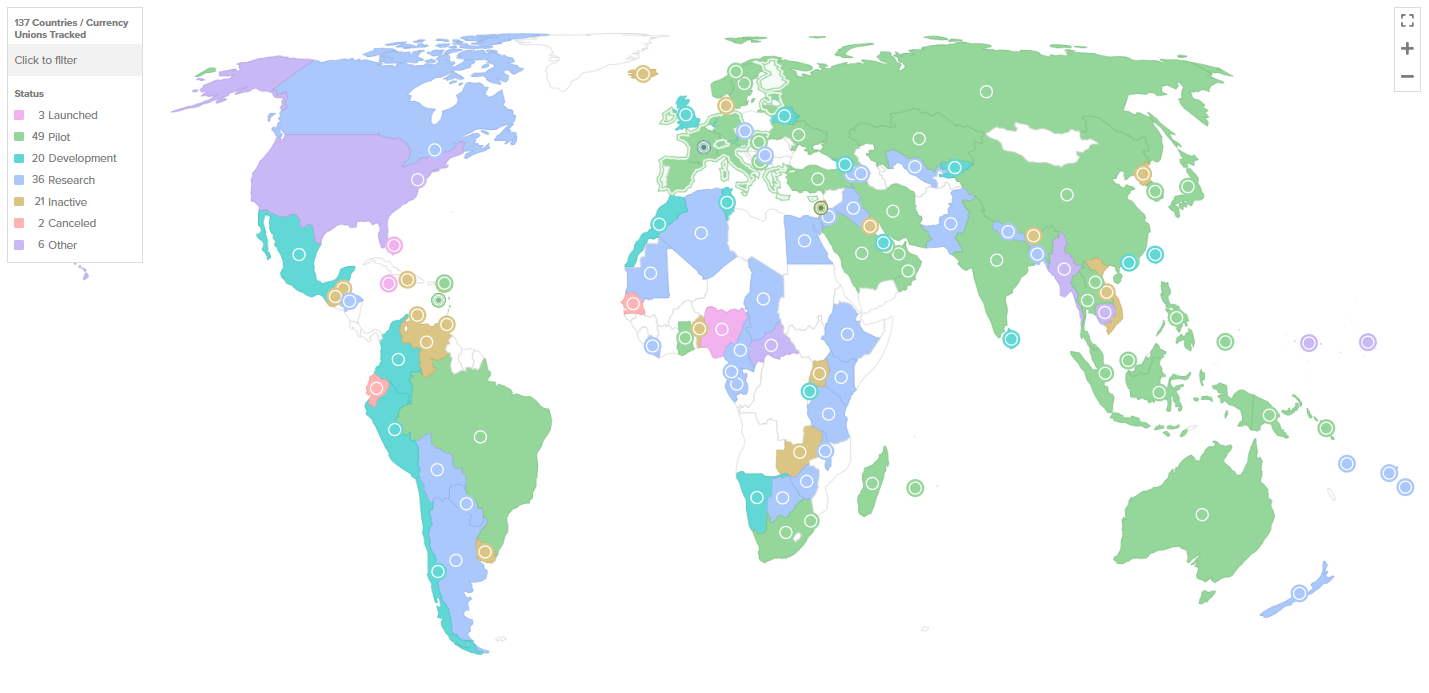
Source: Atlantic Council CBDC Tracker
The eradication of digital freedom
Authoritarian systems do not coexist with open, decentralized freedom. The open-source community is already the first major casualty of this surveillance push.
Open-source software like Linux, FreeBSD, and the thousands of decentralized apps that run on them thrive precisely because they are unmonitored and freely accessible. They do not have the legal teams or the desire to integrate enterprise-grade, government-mandated identity verification systems just to let someone compile code.
Because of laws like AB 1043, projects like MidnightBSD have already been forced to modify their licenses to explicitly ban California residents from using their operating system. If OS-level ID checks, Chat Control, and CBDCs become the global standard, open-source operating systems and decentralized finance will be effectively outlawed for everyday users. We will be left entirely reliant on massive, closed-source corporate monopolies that are all too happy to act as the enforcement arm of the state.
A tipping point for human rights
We are standing at the edge of a cliff. We cannot allow the emotional Trojan horse of “online safety” to be weaponized into a mandate that tracks, scans, ID-checks, and financially shackles every living person who touches a keyboard.
This is the trinity of total control: Digital Identity, Complete Surveillance (Chat Control and OS gates), and Programmable Finance (CBDCs).
If we want a digital ecosystem where you are treated as a free citizen rather than a monitored, programmable subject, the global tech community has to act now. That means rejecting the normalization of Digital IDs, fighting encryption-busting laws, and protecting decentralized money and open-source software. If we accept these digital checkpoints today, we hand over our freedom. 1984 was not supposed to be an instruction manual. Unless we push back now, it will become our reality.
Sources
Scanning the Horizon: Where the EU’s Chat Control Proposal Stands Now - European Pirates
Chat Control Retreats in Europe: A Big Privacy Win, But For How Long? - AtomicMail
EU Chat Control Regulation - EU.CI
How Europe’s Chat Control Regulation Could Compromise American Communications - Tech Policy Press
Ubuntu Isn’t Adding Age Verification Now, But California’s Law Still Has Linux Cornered - CyberKendra
How Linux and BSD Distros Are Responding to the New Age Verification Laws - It’s FOSS
Discord Voluntarily Pushes Mandatory Age Verification Despite Recent Data Breach - EFF
California’s Age-Verification Law Is a Civil Liberties Test - The Daily Economy
California Introduces New Age Verification Requirements for Software Applications - Hunton Andrews Kurth
Discord Age Verification Settings - Help Net Security
California’s Digital Age Assurance Act, and FOSS - Runxiyu
AB 1043 Bill Text - California Legislature
Ubuntu, Fedora, Linux Mint Eye Age Verification Amid California Law Backlash - 9to5Linux
Central Bank Digital Currency Tracker - Atlantic Council
Design Choices for Central Bank Digital Currency - Brookings Institution
Statement of Administration Policy: H.R. 1919, Anti-CBDC Surveillance State Act - The White House