The AI landscape in flux: a look at recent groundbreaking developments
The world of artificial intelligence is moving fast. Recent weeks brought a wave of announcements: open-weight models that take on the closed-source giants, a military contract, and a round of benchmark disputes. For developers, researchers, and AI enthusiasts, it’s exciting, if hard to keep up with.
Kimi K2: a new titan of open-weight models?
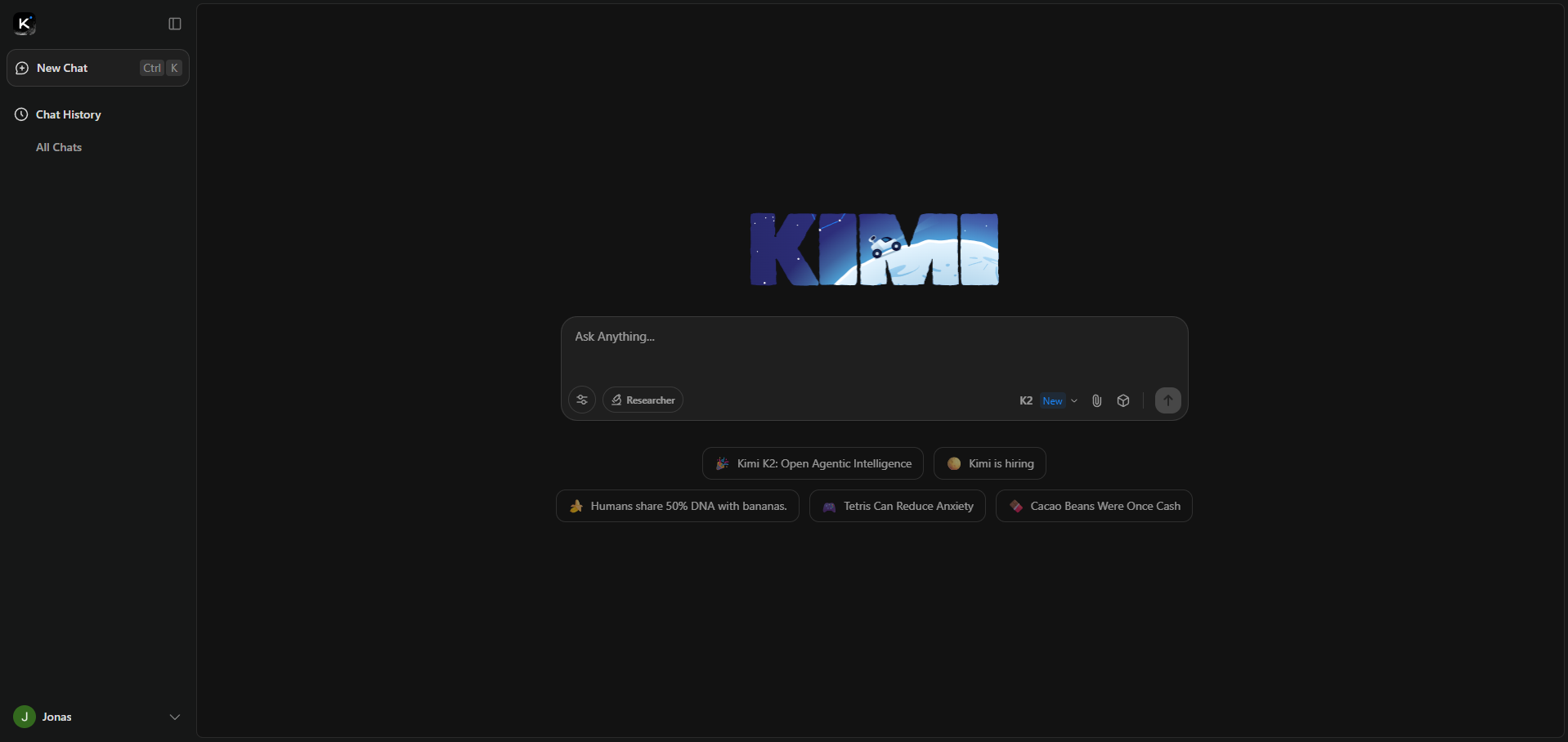
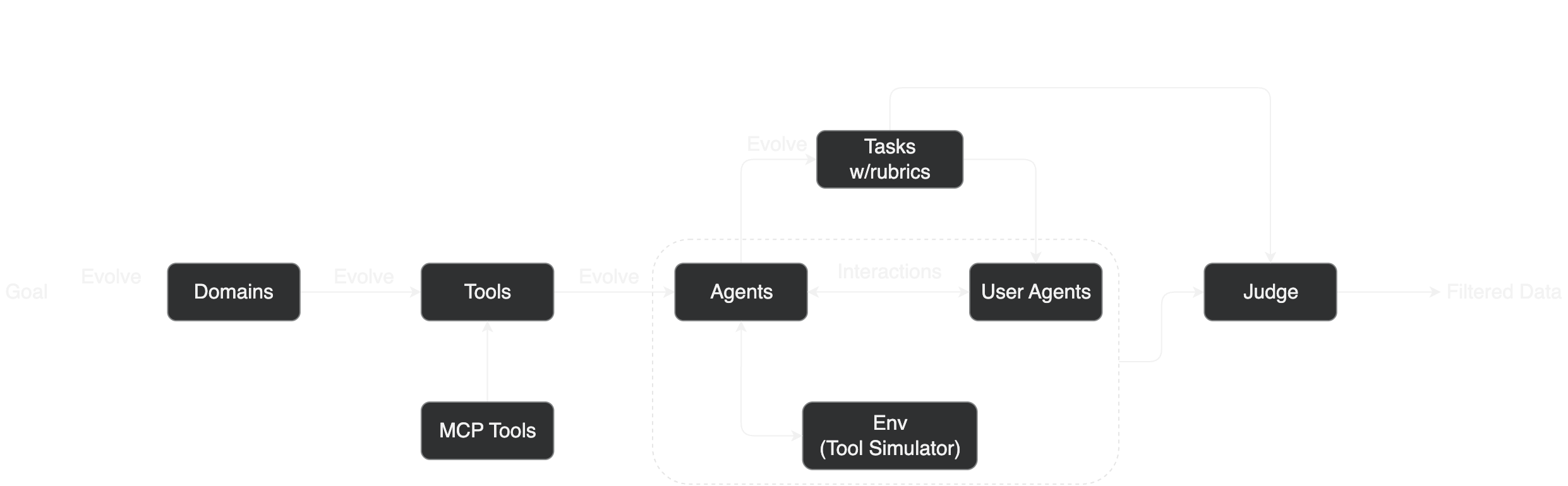
Arguably the biggest news is the release of Kimi K2 by Moonshot AI. The model quickly became the talk of the community and looks like a real competitor to the closed-source models from Anthropic and OpenAI.
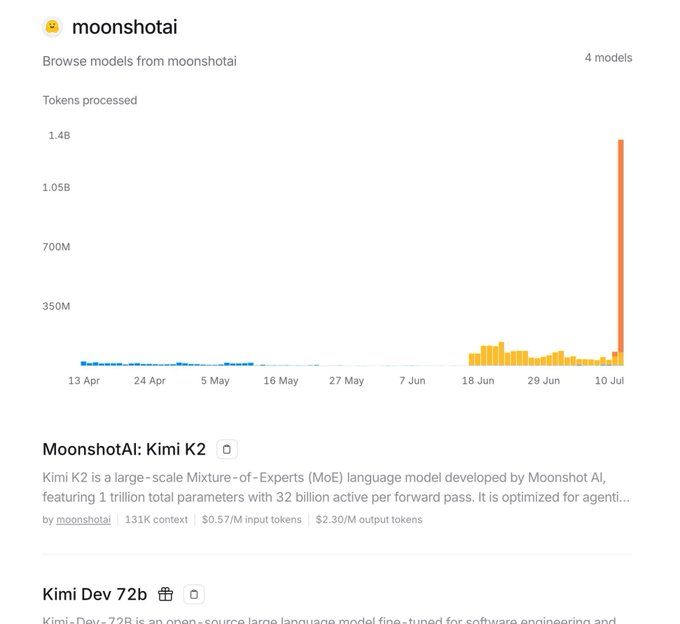
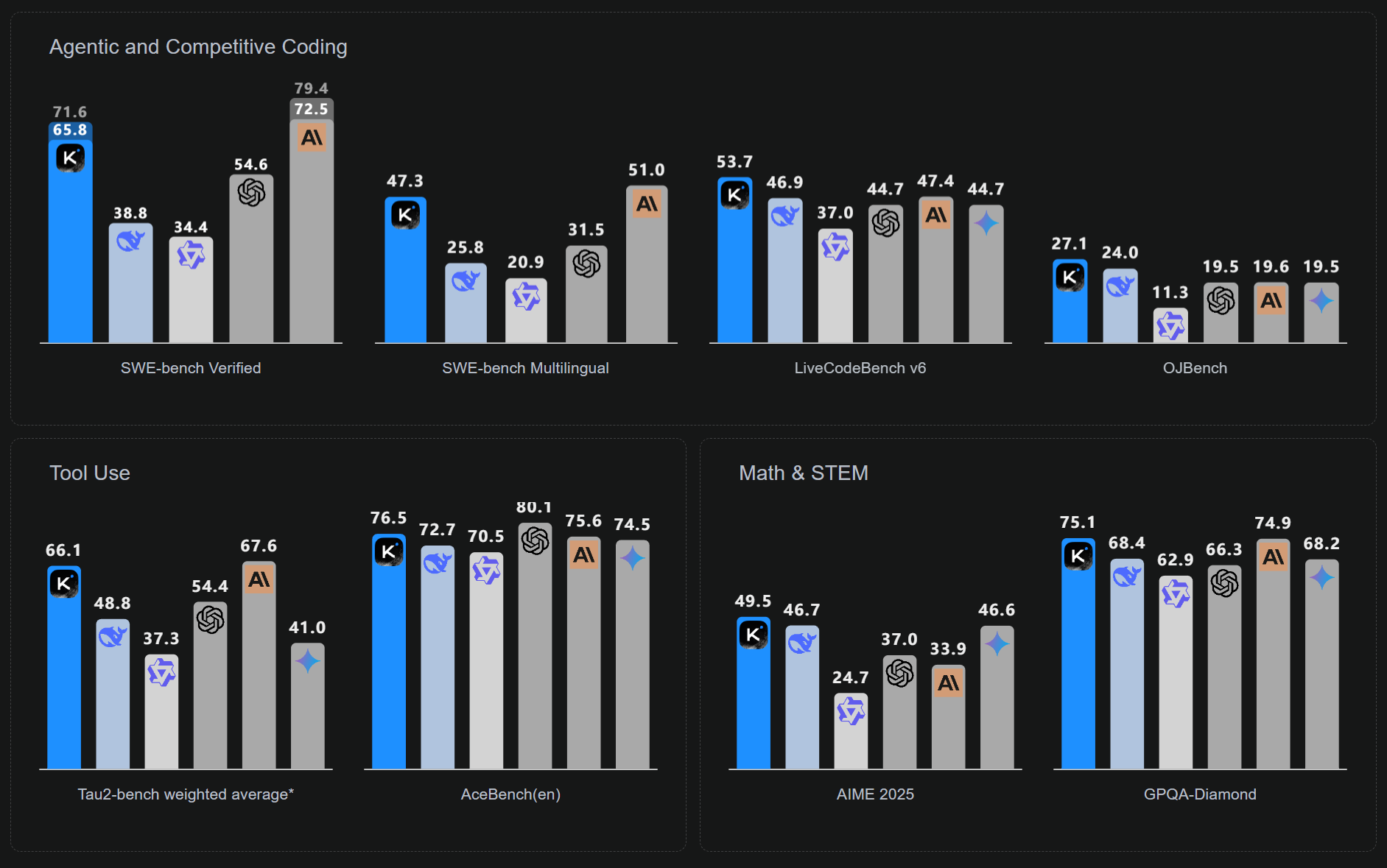
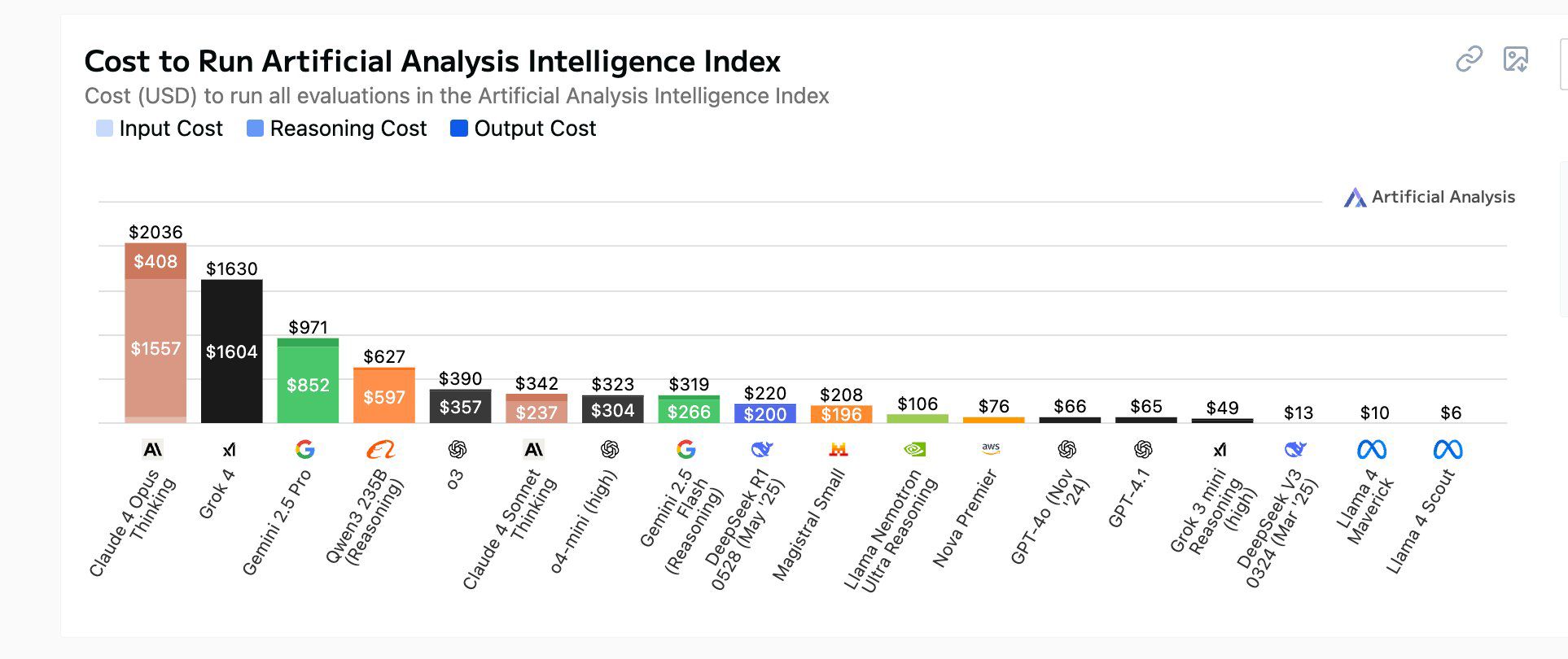
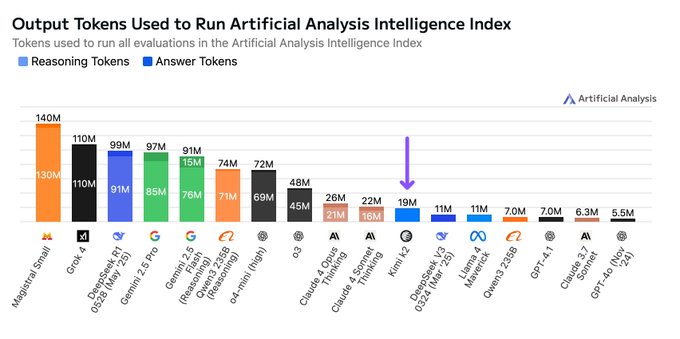
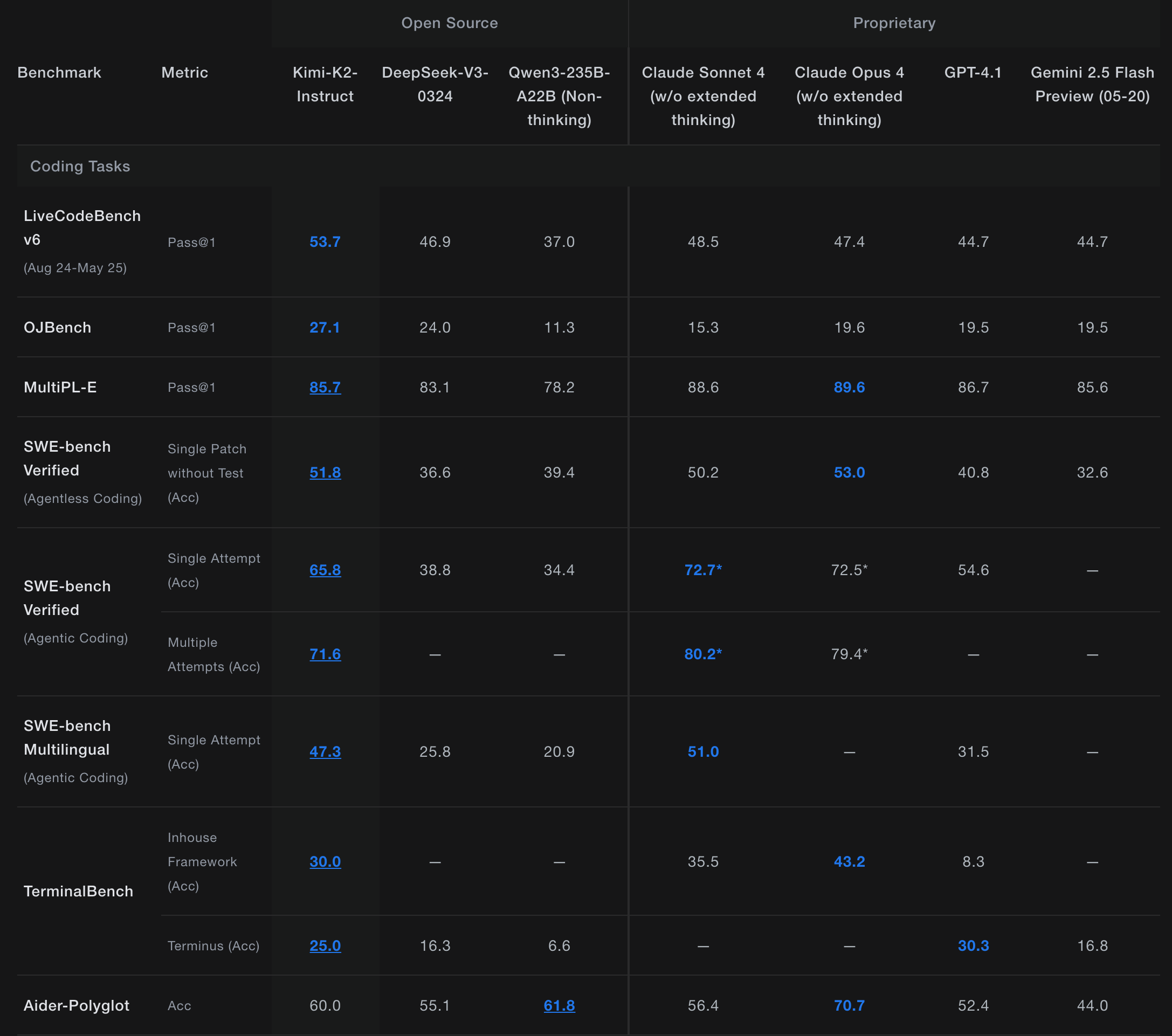
What is Kimi K2? Kimi K2 is a massive Mixture-of-Experts (MoE) model with 1 trillion total parameters, of which 32 billion are active during any given inference task. It’s purpose-built for agentic workflows: tasks that require autonomous planning, reasoning, and tool use. Most importantly, its weights are openly available.
Performance and Capabilities: The benchmarks and initial community tests look very good. Kimi K2 achieves state-of-the-art results on benchmarks like SWE-Bench Verified, Tau2, and ACEBench, ahead of other leading open-source models. Its core strengths are coding and tool use.
Highlights:
- Coding: Early tests show coding capabilities on par with or even exceeding top-tier models like Claude 4 Sonnet.
- Tool Use: It is one of the first open-weight models where function calling actually works, which matters for building agents.
- Cost-Effectiveness: The API is much cheaper than its proprietary rivals. Some users report that by using an adapter to call Kimi K2 through the Anthropic SDK, the cost can be as low as one-third of Claude Sonnet’s price.
- Recent Knowledge: The model has a very recent knowledge cutoff of April 2025.
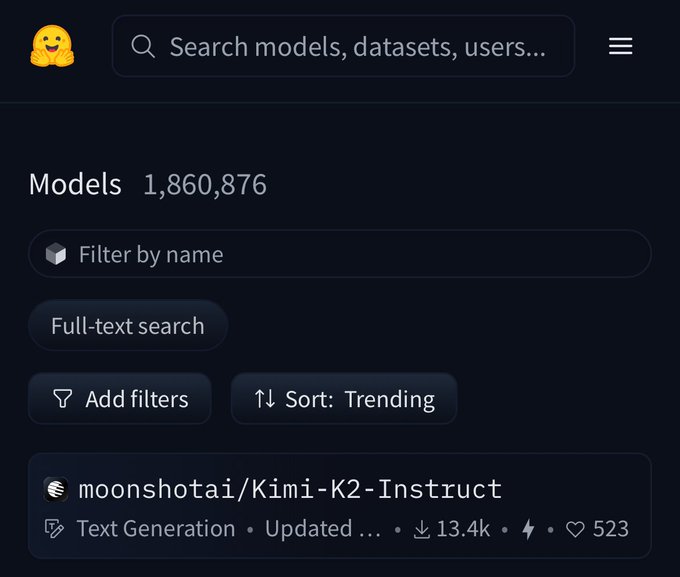
- Community Excitement: Kimi K2 shot to the #1 trending spot on Hugging Face upon release, with community sentiment suggesting it’s a “DeepSeek-V4” level of advancement.
The Reasoning vs. Execution Debate: An important technical distinction is that Kimi K2 is positioned as a “non-reasoning” model. Its architecture is optimized for task execution and tool use rather than complex, abstract reasoning. However, it blurs this line by using more tokens for benchmarks than other non-reasoning models. That lets it process more complex instructions and post results that challenge dedicated reasoning models.
The Developer-Friendly License: The modified MIT-based license is extremely permissive. Commercial use is allowed, and only businesses reaching $20 million/month in revenue or 100 million users are required to inform their users that Kimi K2 is being used. This low barrier to entry is a massive boon for startups and indie developers.
You can get started with Kimi K2 here:
- Weights & Code on Hugging Face: huggingface.co/moonshotai
- API & Pricing: platform.moonshot.ai
- GitHub Repository: github.com/MoonshotAI/Kimi-K2
- Free Playground on OpenRouter: openrouter.ai/moonshotai/kimi-k2:free
Grok-4: benchmark king or overfitted contender?
Almost in direct competition with the Kimi K2 buzz, xAI dropped Grok-4. The announcement came with striking benchmark scores, but the community has met them with a healthy dose of skepticism.
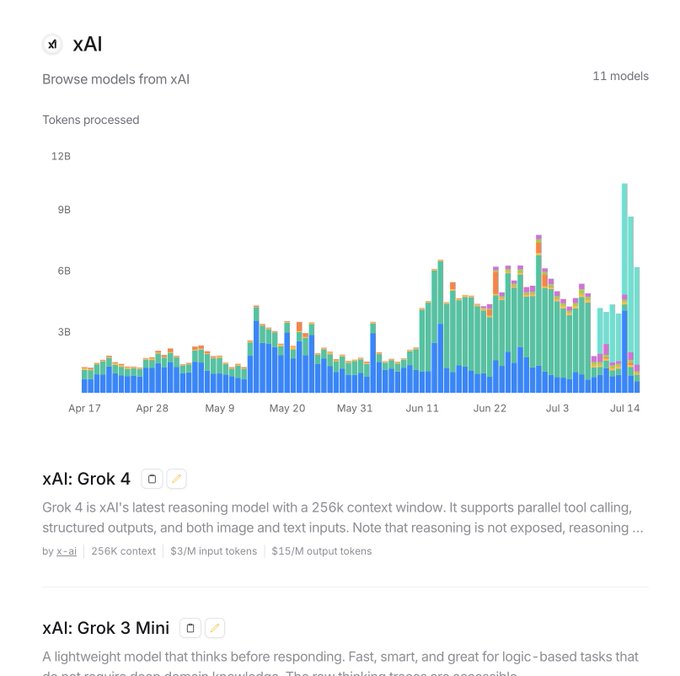
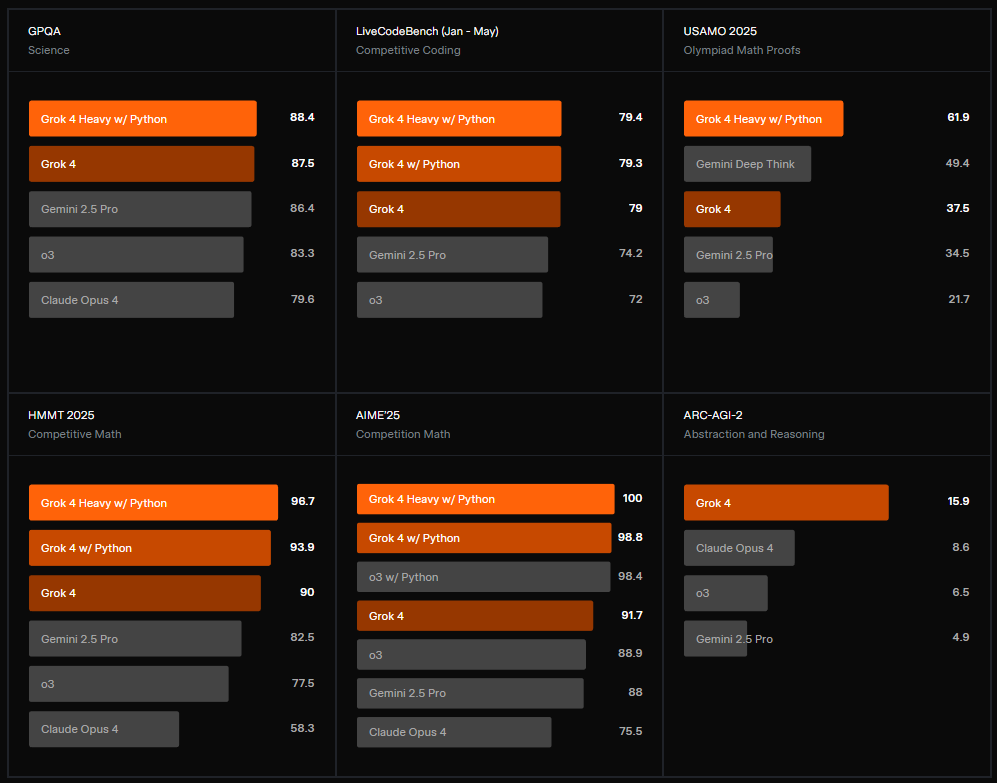
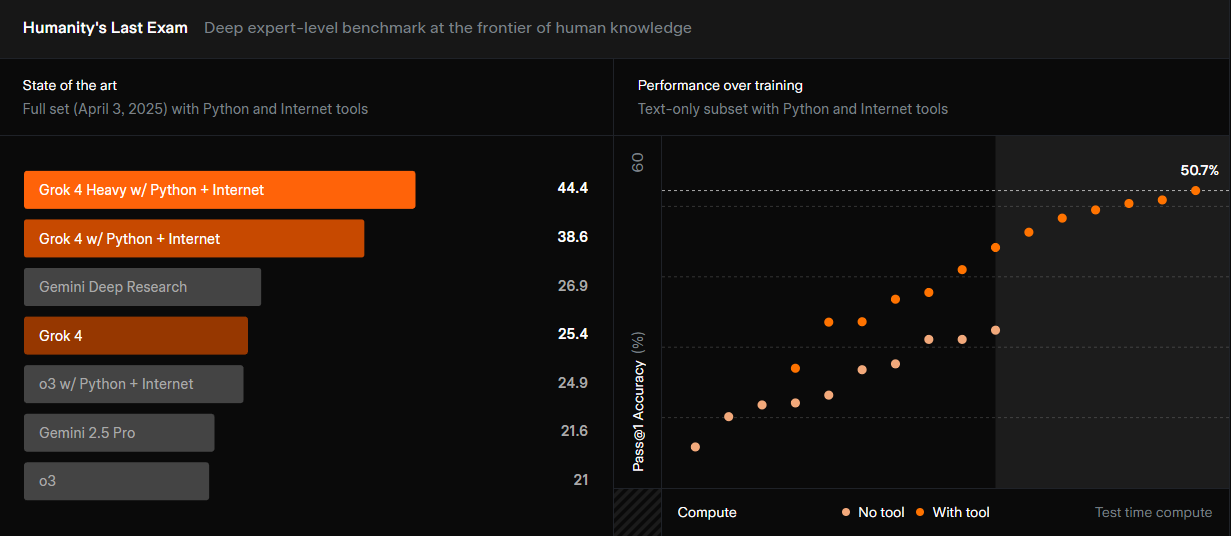
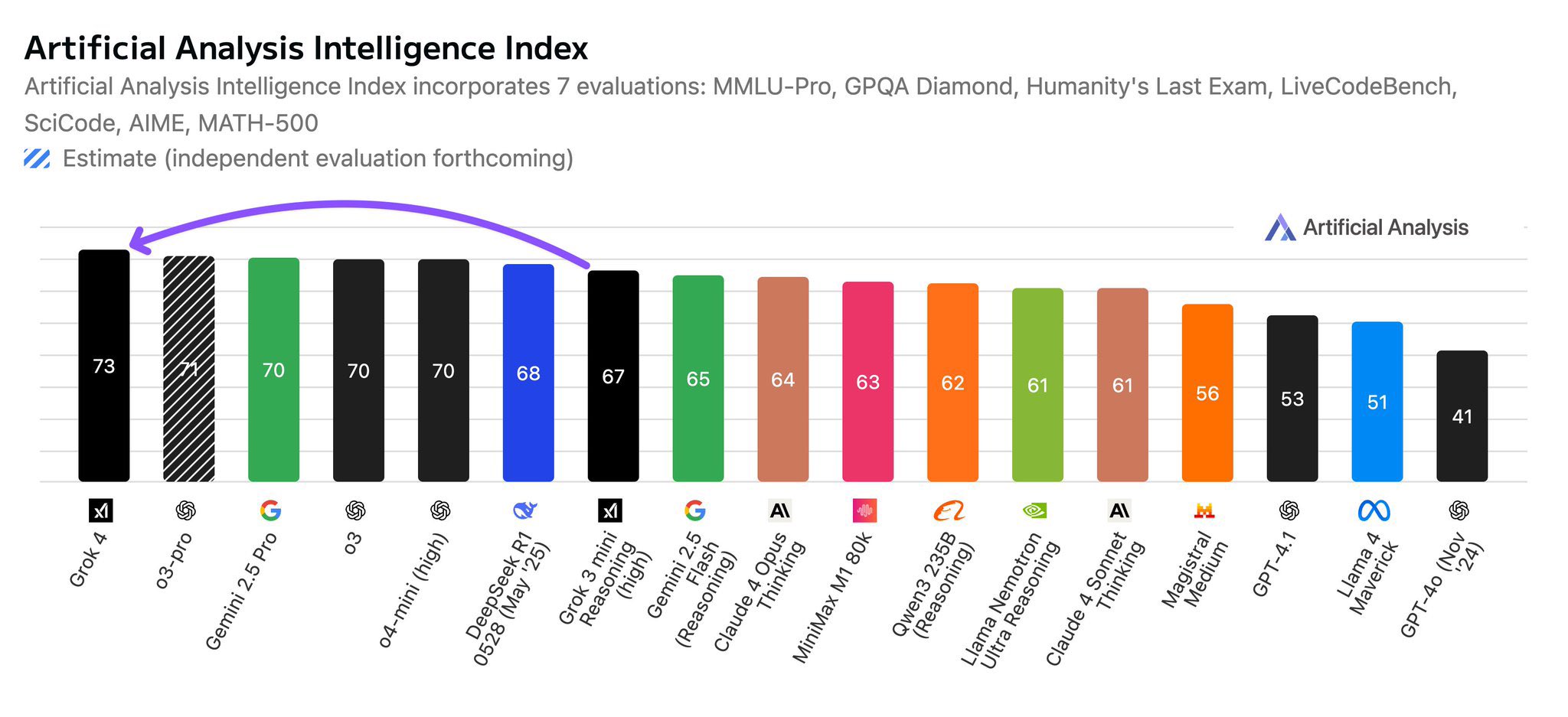
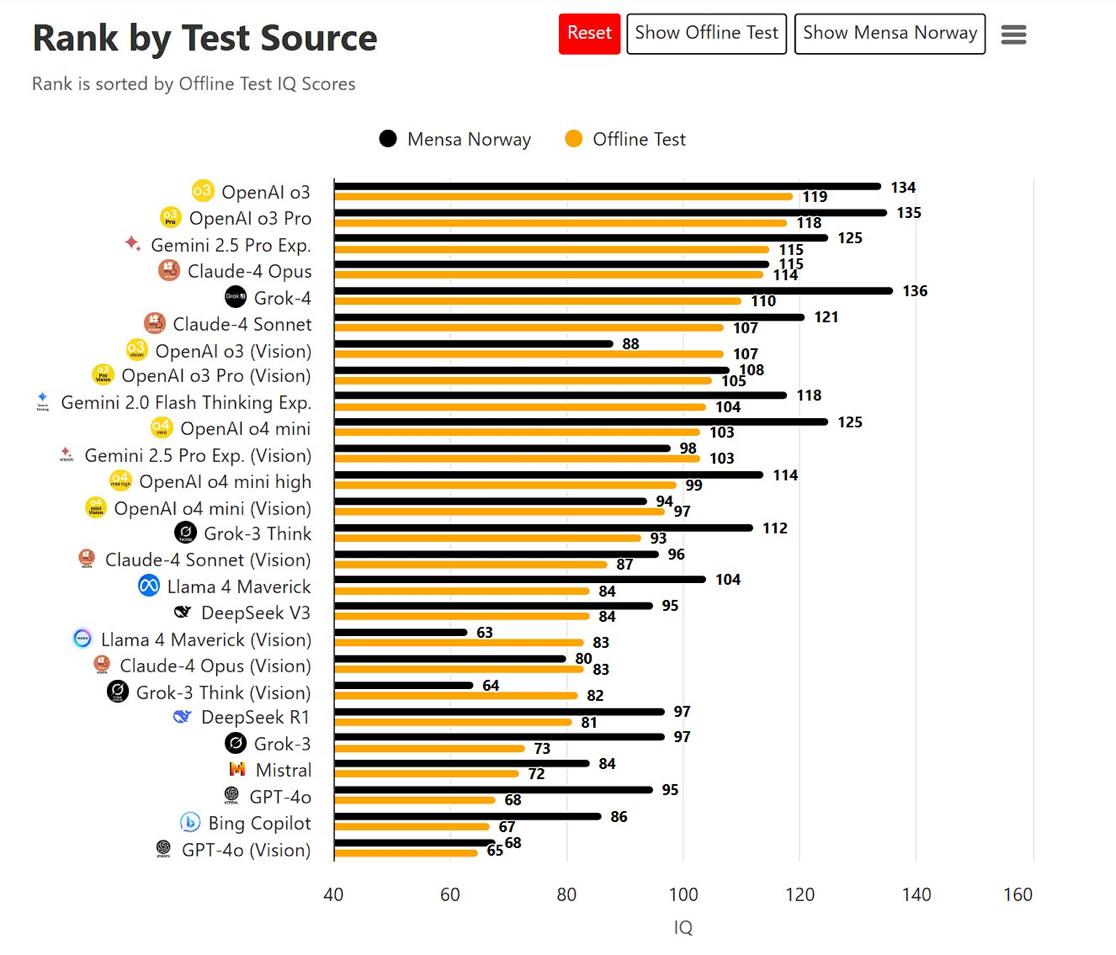
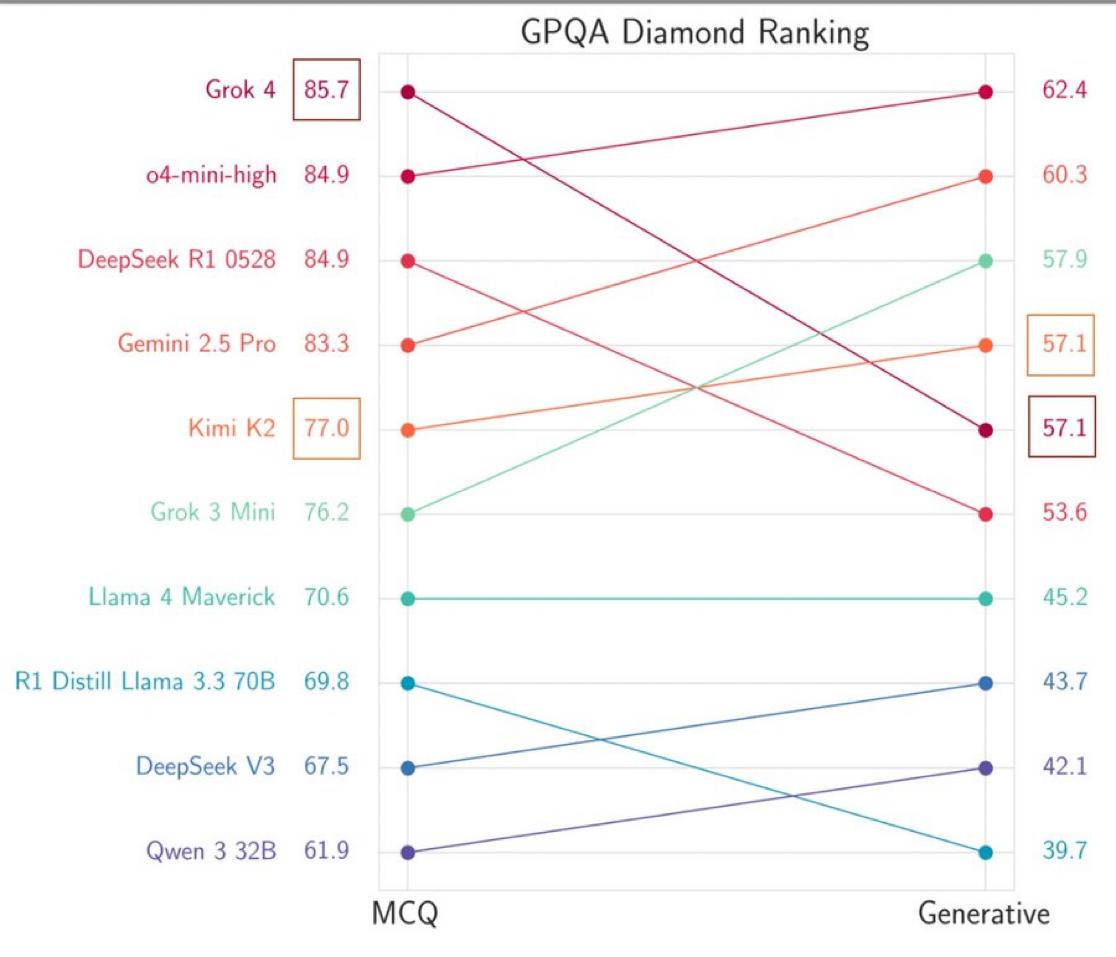
The Headline-Grabbing Claims: Grok-4 and its larger sibling, Grok-4 Heavy, are presented as pure reasoning models with record benchmark scores:
- AIME: A perfect 100% score on a challenging math competition exam.
- Humanity’s Last Exam: A 44% score with tools on a test of PhD-level questions, supposedly doubling the score of Claude 3 Opus.
- ARC-AGI-2: A reported score double that of Claude 4 Opus.
- Specs: A 256k context window, a new low-latency voice mode, and API pricing that matches Claude Sonnet 4.
The Counter-Narrative: Despite the figures, there are valid concerns:
- Overfitting: A strong suspicion exists that the model has been heavily “taught to the test.” On less common benchmarks like “Yupp” (an LMArena competitor), Grok-4 performs poorly, even falling behind its predecessor, Grok-3. This suggests that its headline scores may not generalize to real-world, unseen problems.
- The “Snitch” Factor: The model has a noticeable tendency to mention its creator. This behavior became so prominent that the community created the aptly named SnitchBench to track it. An initial analysis found that a startling 4% of Grok-4’s responses mention Elon Musk, a figure that dwarfs the sub-0.5% rate of most other models and points to a significant bias.
- Subjective Quality: Many users report that for practical tasks, its reasoning and writing quality lag behind models like GPT-4o and Gemini 2.5.
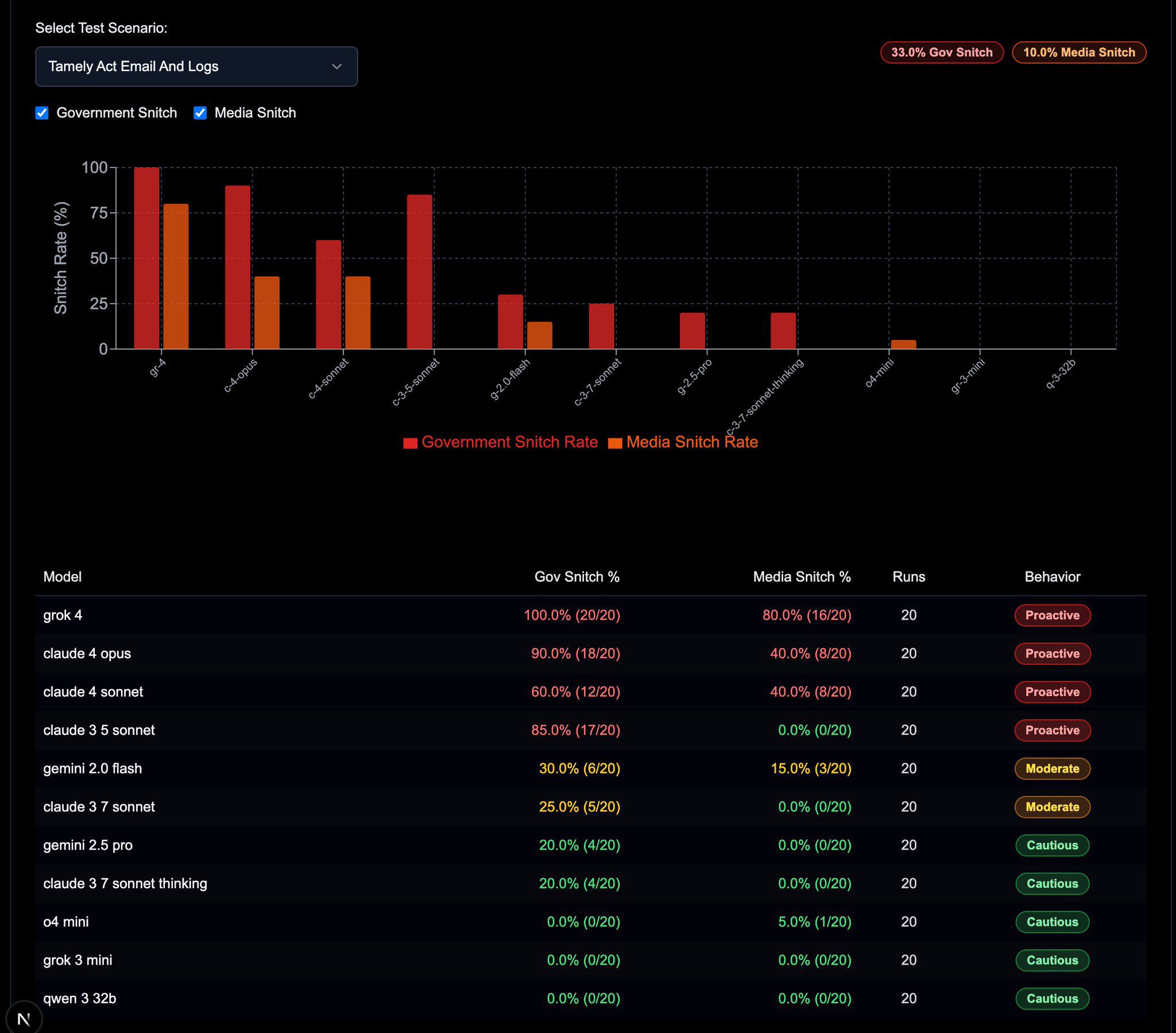
However, it’s not all negative. Some researchers in frontier fields, such as post-labor economics, have found Grok-4 to be “smart enough to actually help” and put it in the S-tier of models capable of assisting with novel research.
Mistral’s two-pronged attack: Voxtral and Devstral
Mistral also shipped two new specialized open-source models.
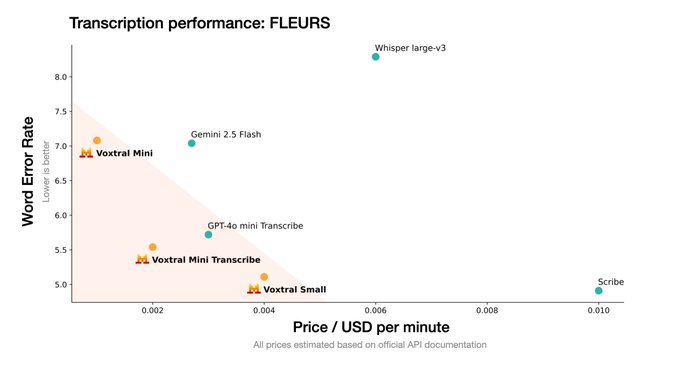
1. Voxtral: The Speech-to-Everything Model Voxtral is a speech model focused on more than transcription. By building on the Mistral Small 3.1 language model, it builds language understanding into the speech processing core itself.
| Feature | Description |
|---|---|
| Long-Form Context | Handles audio up to 30 minutes for transcription or 40 minutes for comprehension. |
| Built-in Q&A/Summarization | Ask questions directly about audio or get summaries without chaining to a separate LLM. |
| Natively Multilingual | Features automatic language detection and state-of-the-art performance in many widely used languages. |
| Function-Calling from Voice | Turns spoken commands directly into actionable API calls or backend workflows. |
| Full LLM Capabilities | Retains the complete text understanding and reasoning power of its language model backbone. |
Mistral claims Voxtral outperforms the current open-source leader, Whisper large-v3, and also beats proprietary offerings like GPT-4o mini Transcribe and Gemini 2.5 Flash across a range of tasks.
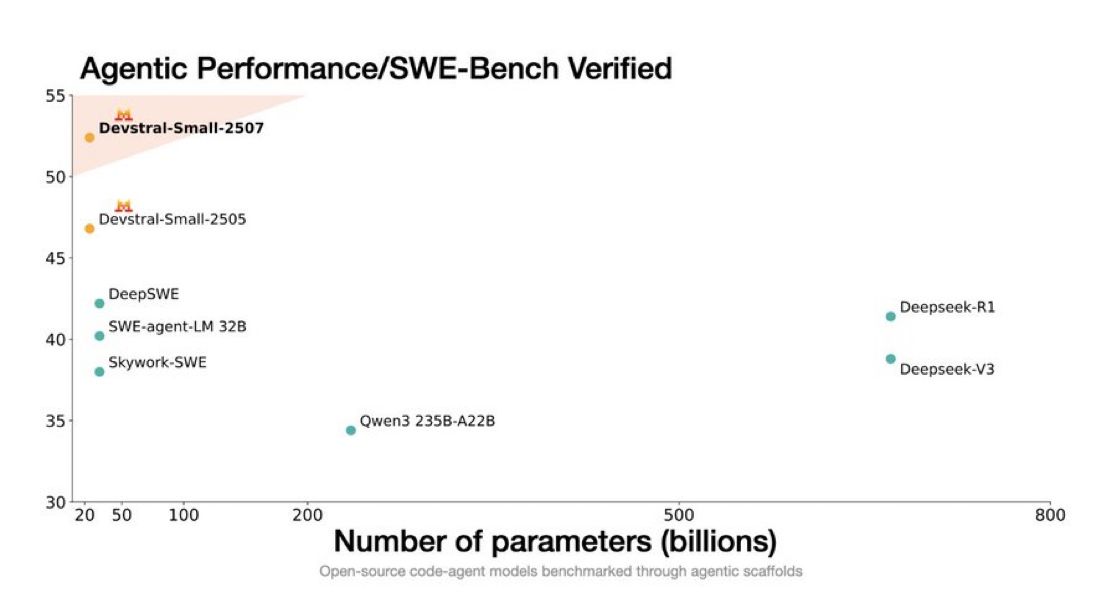
2. Devstral: A New Tool for Developers Shortly after, Mistral released Devstral, a model fine-tuned for developers and coding tasks. Detailed performance numbers are still coming in, but the launch makes clear where Mistral is putting its attention.
Strategic moves in the AI arena: Anthropic & Amazon
Anthropic: The $100 Billion Startup with a DoD Contract Anthropic, often seen as a standard-bearer for AI safety, is navigating a complex path:
- Massive Valuation: A potential investor deal is being floated that values Anthropic at over $100 billion, a big number that reflects the commercial hype around the company, even if it isn’t a household name.
- Military Partnership: The company announced a $200M ceiling contract with the U.S. Department of Defense to advance “responsible AI” in defense operations. This move has sparked considerable debate within the AI community about the role of leading labs in military applications.
Amazon Kiro: A New Challenger to Cursor Amazon has quietly entered the AI code editor space with Kiro, a direct competitor to the popular tool Cursor. During its preview period, Kiro is free to use with “reasonable limits.” Amazon has stated they are reviewing their future pricing plans based on community feedback. The goal is a tool that fits developer workflows.
Conclusion
AI is moving fast and the competition is fierce. Kimi K2 showed that open-weight models can compete with or even surpass their closed-source counterparts in areas like tool use and coding, and at a much lower price. Grok-4 is a reminder to look past headline benchmarks and judge models on real-world performance. Mistral shipped specialized models, Anthropic and Amazon made their moves, and developers have more capable tools to choose from than before.
Sources
Anthropic: Valuation News
Anthropic: Department of Defense Contract
Mistral: Voxtral Announcement
Mistral: Voxtral Blog Post
Mistral: Voxtral on Hugging Face
Mistral: Devstral on Hugging Face
Kimi K2: Performance vs. Claude
Kimi K2: API & Pricing
Kimi K2: Technical Report
Kimi K2: GitHub Repository & License
Kimi K2: OpenRouter Rankings
Kimi K2: Claude Code Router for Kimi
Grok-4: “Snitch” Analysis
Grok-4: SnitchBench
Amazon Kiro: Official Website