7 steps to Google #1 ranking
Loading the Elevenlabs Text to Speech AudioNative Player...
Step 1: Website foundation
1.1 Mobile-friendliness
- Google prioritizes mobile-optimized sites
- Use Google’s Mobile-Friendly Test
- Improves user experience and search rankings
1.2 Loading speed
- Slow sites lose visitors and rankings
- Test with PageSpeed Insights
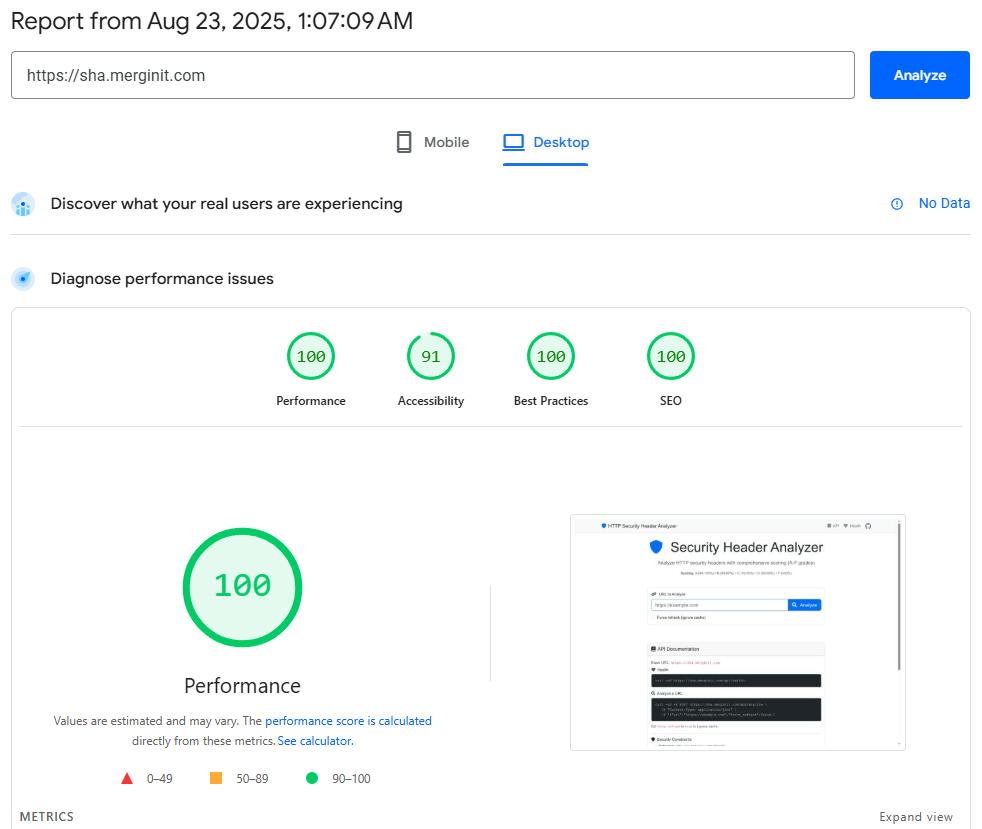
Google PageSpeed Insights tool showing website performance metrics - Reduce image sizes, use caching, minimize scripts
1.3 User-friendly design
- Clear navigation and appealing layout
- Make important information easily findable
- Intuitive design increases dwell time and signals relevance to Google
Step 2: Content is king
2.1 Regular blog posts
- Best way to increase visibility
- Answer customer questions and problems
- Shows expertise, attracts new visitors via search
2.2 Target audience interests
- Address real customer challenges and needs
- Use Google Trends for topic research
- Answer frequently asked questions
2.3 Creating valuable content
- Make content easy to understand, informative, well-structured
- Use subheadings, paragraphs, images for structure
- Strategic keyword and topic selection matters
Step 3: Google loves structure
3.1 Technical elements
- Meta-tags: Describe page content
- Alt-tags: Help interpret images
- Structured data: Help search engines recognize info like hours/reviews
3.2 Quick optimization tips
- Start with meta-descriptions and titles of main pages
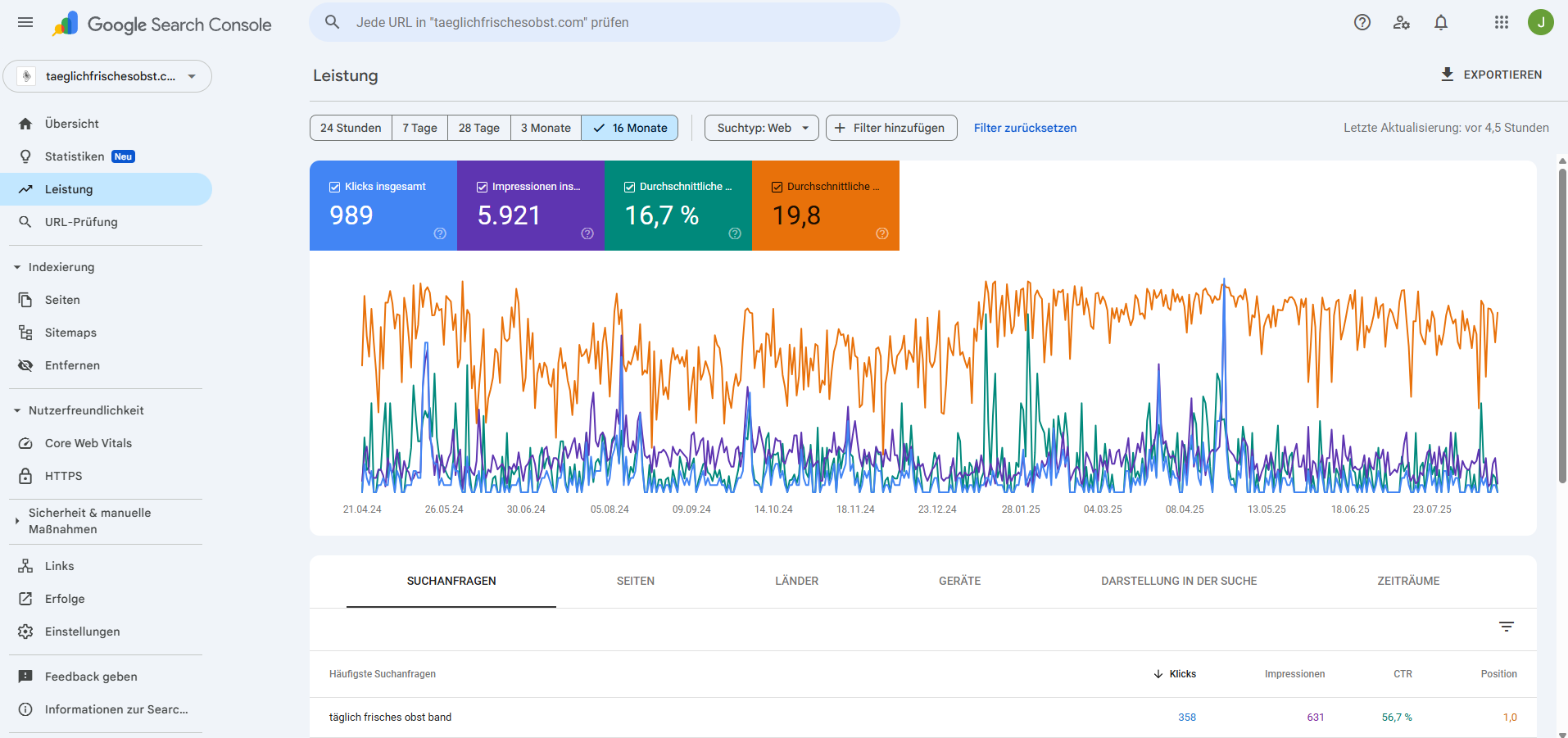
Google Search Console showing Google traffic and ranking 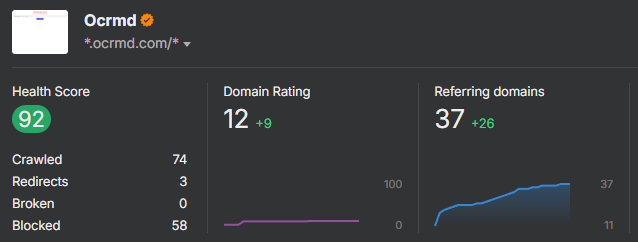
Ahrefs SEO tool showing link health - Keep clear, concise, include main keywords
- Make sure each page has unique meta-tags
Step 4: Local is key
4.1 Google My Business critical
- Local service providers need it most
- Appears in local search results and Google Maps
- Regular updates matter, not just a one-time setup
- Keep hours, photos, services current
- Reviews: Positive reviews boost ranking and trust. Respond to all feedback
4.2 Local optimization steps
- NAP Consistency: Name, Address, Phone must be identical across website and directories
- Strengthens credibility, helps search engines recognize local anchoring
- Local backlinks: Partner with regional businesses/associations
- Register in local industry directories
- More local relevance = higher local search rankings
Step 5: Link building (network building)
5.1 Internal links power
- Connect different website pages
- Help users navigate better
- Signal to search engines which content is important
- Guide visitors from articles to relevant content
5.2 External links usage
- Reference trustworthy external sites for authority
- Don’t overdo it: a few well-placed links are sufficient
- Backlink building through partnerships/guest posts is long-term strategy
5.3 Backlink building
- One of the most important ranking factors
- Backlinks from external, trustworthy sites give authority
- Improve search result rankings
- Targeted link building is complex
Step 6: AI & automation
6.1 AI for SEO processes
- Makes SEO more efficient through automation and data analysis
- Simplifies keyword research, on-page optimization, UX improvement
- Use tools like ChatGPT for targeted optimizations
6.2 Content efficiency
- AI tools make content creation faster
- Important: Maintain human expertise and authentic experiences
- Avoid Google penalties from updates like “Helpful Content Update”
Step 7: Analysis & adjustment
7.1 Regular performance reviews
- Website work never completely finished
- Analysis tools give you the full picture
- See which pages work well, where improvement potential exists
7.2 Simple analysis tools
- Google Analytics: See visitor numbers, sources, most interesting content
- Check domain authority with DomainRank

Domain ranking and backlink analysis - Quickly identify which measures work and which don’t